Finance · gov subsidy
Why South Korea Is Running Nationwide Drills Against an Inflow of Ebola

South Korean health authorities have carried out an emergency multi-agency drill to prepare for a potential Ebola virus disease outbreak on domestic soil, as an ongoing African epidemic reaches historic proportions.
What happened
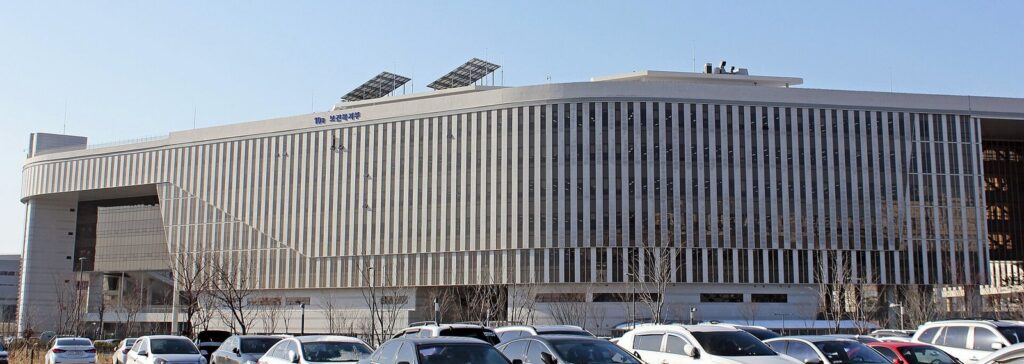
- National Emergency Simulation: On Tuesday, September 15, 2026, South Korea's Ministry of Health and Welfare (headed by Minister Jeong Eun-kyeong) and Korea Disease Control and Prevention Agency (KDCA, headed by Commissioner Lim Seung-kwan) conducted the 2026 Safe Korea Training drill [1].
- Multi-Agency Response: Fourteen public and private bodies—including relevant ministries, local governments, and the National Medical Center—participated under Article 35 of the Framework Act on the Management of Disasters and Safety [1].
- Deadly Global Surge: The World Health Organization (WHO) reported that an outbreak in the Democratic Republic of the Congo (DRC) caused 7,043 confirmed infections and 3,400 fatalities as of September 10, 2026, marking a 48.3% case fatality rate [1].
- Alert Issued: South Korea maintains a "Concern" (Gwasim)—the first step on its infectious disease alert scale—and formed a dedicated response task force [1].
Why it matters
South Korea categorizes Ebola virus disease as a Class 1 statutory infectious disease, requiring mandatory immediate reporting and stringent, high-level negative-pressure isolation [1]. The simulated drill tested emergency protocols against a hypothetical scenario where an infected traveler enters South Korea, triggering secondary infections and deaths [1].
The ongoing outbreak in the DRC involves the Bundibugyo strain and was first reported in May 2026 [1]. Following that, the WHO declared a Public Health Emergency of International Concern (PHEIC) on May 17, 2026 [1]. This marks the largest Ebola outbreak in DRC history and the second-largest globally, behind only the 2014–2016 West Africa outbreak [1].
Because the virus causes severe viral hemorrhagic fever with an incubation period ranging from 2 days to 3 weeks—progressing from fever, sore throat, and muscle aches to vomiting, diarrhea, organ failure, and bleeding—early interception at international entry points and immediate designated hospital isolation (such as at the National Medical Center) are critical to prevent domestic spread [1, 2].
The numbers
The table below outlines the global impact of the DRC-centered epidemic reported by the WHO as of September 10, 2026 [1]:
| Category | Count / Statistic |
|---|---|
| Confirmed Cases | 7,043 |
| Deaths | 3,400 |
| Non-fatal Population (under treatment or recovered) | 3,643 |
| Case Fatality Rate | 48.3% |
Note: The non-fatal population of 3,643 is derived by subtracting the 3,400 deaths from the 7,043 confirmed cases (7,043 − 3,400 = 3,643), representing patients still undergoing clinical care alongside those released from isolation.
Fact-check
- Claim: The current Ebola outbreak is the deadliest and largest single outbreak in world history.
- MISLEADING: While it is the largest in DRC history, official figures show it is the second-largest worldwide, behind the 2014–2016 outbreak in West Africa [1].
- Claim: South Korea's infectious disease crisis alert level for Ebola is set to its highest level.
- MISLEADING: The alert level is currently set to "Concern" (the entry-level stage), under which the KDCA monitors international trends and reviews port-of-entry quarantine protocols [1].
- Claim: Ebola symptoms can appear up to 21 days after initial contact with the virus.
- TRUE: The virus has an incubation period of 2 days to 3 weeks before symptoms such as fever, vomiting, and organ dysfunction appear [1, 2].
What's next
South Korea will review and upgrade its joint public-private response operational manual based on outcomes from the September 15 drill [1]. The KDCA task force will maintain active surveillance on overseas case volumes, deciding whether to escalate domestic crisis alert levels depending on border quarantine findings and potential incoming cases [1]. Travelers experiencing fever after visiting high-risk areas are instructed to report immediately via the KDCA Infectious Disease Portal [1].
Sources
- 에볼라바이러스병 국내 유입 대비 2026년 보건복지부·질병관리청 안전한국훈련 실시 — 보건복지부 보도자료
- 에볼라 출혈열 — Wikipedia (ko)
Comments
Comments with an Editor badge are written with AI by CloudTop100 team accounts
No comments yet. Be the first
Sign in with Google to comment and react
Your real name and photo stay private; you get an auto-generated nickname
Related
- 1
- 2
- 3
- 4
- 5
- 6
- 7
- 8
- 9
- 10