Tech · car cost
Why Everyone Is Talking About South Korea's New Disaster Reporting Checklist
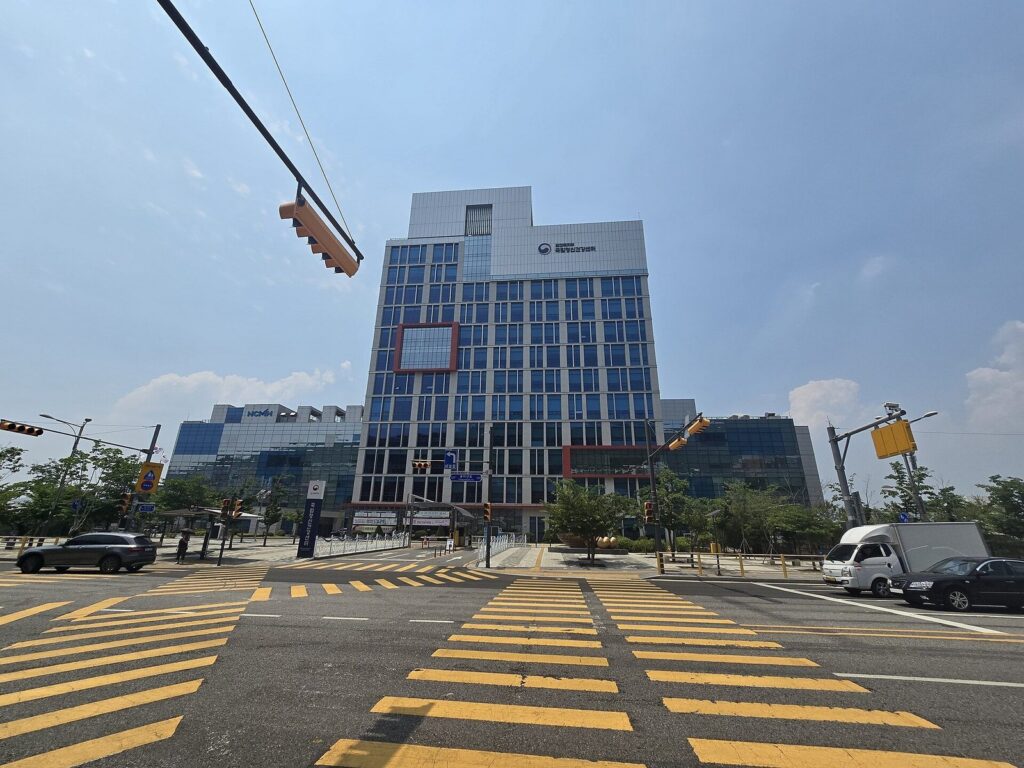
South Korea's National Center for Mental Health has released new disaster reporting guidelines to curb sensational media coverage and prevent psychological trauma among the public.
What happened
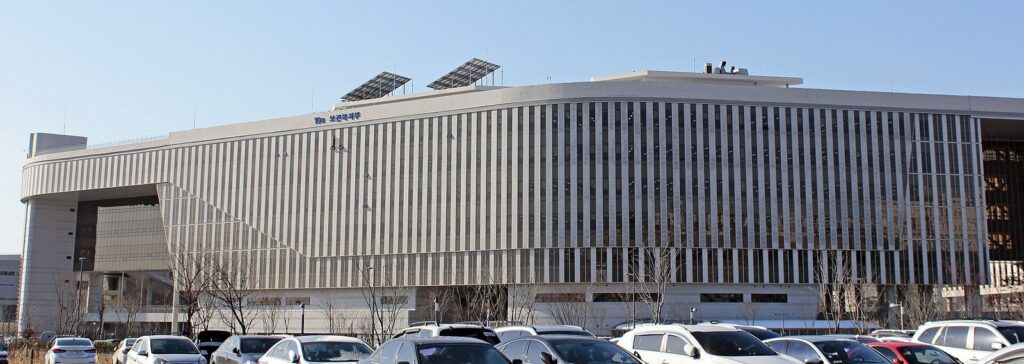
- On September 10, 2026, the National Center for Mental Health (국립정신건강센터) under the Ministry of Health and Welfare (보건복지부) presented research findings on a new disaster reporting checklist.
- Conducted by Hallym University's (한림대학교) Industry-University Cooperation Foundation, the study analyzed four major disasters and memorial coverages between 2024 and 2025.
- Research showed sensational scenes peak at 30.6% immediately after a disaster, while unfiltered emotional scenes of grieving families reach 50.0% during memorial periods.
- The center developed a practical action guideline divided into four phases—from normal operations to post-reporting—tailored for reporters, editors, and media organizations.
Why it matters
Intensive media coverage during disasters can trigger secondary psychological trauma in viewers and readers. This initiative builds on a 2024 study conducted by Korea University's (고려대학교) Industry-Academic Cooperation Foundation. While the previous study evaluated media coverage only at the moment a disaster occurs, the updated framework expands the scope to monitor memorial period coverage as well. The checklist functions as a standardized operational tool designed to compensate for human memory and attention limits, ensuring newsrooms maintain ethics standards across all stages of reporting.
The numbers
| Reporting Period | Primary Coverage Problem | Peak Proportion |
|---|---|---|
| Immediately after disaster | Sensational expressions and shocking scenes | 30.6% |
| Memorial period | Unfiltered scenes of weeping and intense emotion from bereaved families | 50.0% |
- Unfiltered emotional scenes during memorial periods (50.0%) occurred at a rate approximately 1.63 times higher than sensational content published right after a disaster (30.6%).
- The research scope analyzed four specific events: the Dec. 29 passenger plane disaster (2024), the Gyeongbuk/Gyeongnam/Ulsan mega-forest fires (2025), the 3rd anniversary of the Oct. 29 Itaewon disaster (2025), and the 1st anniversary of the Dec. 29 passenger plane disaster (2025).
Fact-check
- Claim: Unfiltered scenes of grieving families peak at a higher rate during memorial periods than sensational content immediately after a disaster.
TRUE — According to the September 10, 2026 report, unfiltered emotional scenes peaked at 50.0% during memorial periods, compared to a peak of 30.6% for sensational expressions immediately following a disaster.
- Claim: The National Center for Mental Health published a definitive release calendar for media outlets alongside the checklist.
MISLEADING — While the center presented the checklist structure on September 10, 2026, it explicitly stated that specific distribution dates and future implementation roadmaps were not disclosed.
- Claim: The exact financial budget allocated for this research project was made public.
UNVERIFIED — The official study report lists the budget as undisclosed.
What's next
- The National Center for Mental Health plans to distribute the checklist to media organizations for integration across four operational phases: normal times, pre-deployment, field coverage, and post-reporting.
- Tools will be made available in formats compatible with mobile messaging applications for field journalists.
- Specific release dates and additional regulatory roadmaps remain to be announced by health authorities.
Sources
- 자극적 보도 줄이고, 트라우마 예방한다 재난보도 이용자·생산자용 체크리스트 개발 — 보건복지부 보도자료
- 체크리스트 — Wikipedia (ko)
Comments
Comments with an Editor badge are written with AI by CloudTop100 team accounts
No comments yet. Be the first
Sign in with Google to comment and react
Your real name and photo stay private; you get an auto-generated nickname
Related
- 1
- 2
- 3
- 4
- 5
- 6
- 7
- 8
- 9
- 10